

Introduction
In the world of SEO, small technical issues can create surprisingly large problems. One such overlooked issue is the sitemap generator spellmistake. While it may sound minor, even a simple spelling error in your sitemap-or in the tools generating it-can negatively impact how search engines crawl and index your website.
A sitemap acts as a roadmap for search engines, guiding them through your website’s structure and helping them discover pages efficiently. But if your sitemap contains errors-especially spelling mistakes in URLs, tags, or file names-it can disrupt this process.
In this guide, we’ll break down what a sitemap generator spellmistake is, why it matters, how it affects SEO performance, and most importantly, how you can fix and prevent it.
What is a Sitemap Generator Spellmistake?
A sitemap generator spellmistake is a simple but impactful error that happens when a sitemap is created with incorrect spelling, typos, or formatting issues. These mistakes can appear in URLs, XML tags, or even the sitemap file name itself.
For example, if your actual page URL is /contact-us but your sitemap lists /contcat-us, search engines will try to crawl a page that doesn’t exist. This creates confusion and can prevent the correct page from being indexed.
Sitemaps are meant to guide search engines, not mislead them. So even small spelling errors can break that guidance system. Many website owners don’t realize this problem exists because everything looks “almost correct” at first glance.
May be you like it:
Words That Rhyme With Confusing: Complete Guide
Words Often Confused Worksheet: Learn, Practice, and Master English
Writing Tips First Person POV Using “I” a Lot – Complete Guide
Why Sitemap Generator Spellmistakes Matter for SEO
You might think a small typo doesn’t matter, but in SEO, details are everything. Search engines depend on accurate data, and your sitemap is one of the most important sources.
When your sitemap contains errors:
- Search engines may skip important pages
- Some pages may never get indexed
- Crawl resources get wasted
- Rankings can drop over time
Think of your sitemap like a GPS for search engines. If the directions are wrong, they won’t reach the right destination. That’s exactly what happens when spelling mistakes are present.
How Sitemap Errors Affect Crawl Budget and Indexing
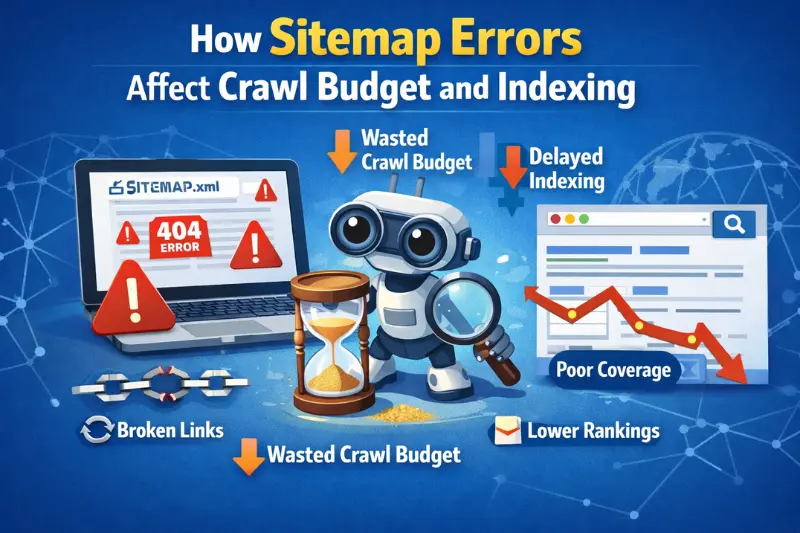
Search engines don’t crawl your entire website endlessly. They allocate a specific “crawl budget,” which is the number of pages they will check within a certain time.
When your sitemap includes incorrect URLs:
- Bots try to crawl non-existent pages
- Time and resources are wasted
- Important pages may be ignored
This leads to poor indexing. Even if your content is high quality, it won’t rank if it isn’t properly indexed.
For large websites, this problem becomes even more serious because hundreds or thousands of pages may be affected.
Key Areas Where Sitemap Generator Spellmistakes Occur
To fix the problem, you first need to know where it happens most often.
URL Slugs
Typos in page URLs are the most common issue. These mistakes often come from manual entry or rushed publishing.
XML Tags
Sitemaps use structured XML format. If a tag is misspelled, the file may become invalid.
File Naming
Even naming your file incorrectly (like sitemap1.xml instead of sitemap.xml) can create issues.
Auto-Generated Links
Sometimes tools generate incorrect URLs due to configuration problems.
Signs Your Sitemap is Hurting Your SEO
Many website owners don’t realize their sitemap is causing problems. Here are clear warning signs:
- Pages are not appearing in search results
- Sudden drop in organic traffic
- Increase in 404 errors
- Search console shows indexing issues
- New content takes too long to rank
If you notice these signs, your sitemap should be one of the first things you check.
How to Identify Sitemap Generator Spellmistakes Quickly
Finding these mistakes doesn’t have to be complicated.
Start by opening your sitemap in a browser. Carefully scan URLs and look for anything unusual.
Next, compare your sitemap URLs with actual website pages. If something doesn’t match exactly, that’s a red flag.
You can also:
- Use site audit tools
- Check search engine reports
- Look for crawl errors
The faster you identify these mistakes, the easier they are to fix.
Top Tools to Detect Sitemap Errors Automatically
Manual checks are useful, but tools make the process faster and more accurate.
SEO Crawlers
These tools scan your website and highlight broken or incorrect URLs.
Search Console
It shows indexing issues and crawl errors directly from search engines.
XML Validators
These tools check if your sitemap follows the correct format.
Website Audit Platforms
They provide full reports including sitemap health and link errors.
Using the right tools saves time and ensures nothing gets missed.
Step-by-Step Guide to Fix Sitemap Generator Spellmistakes
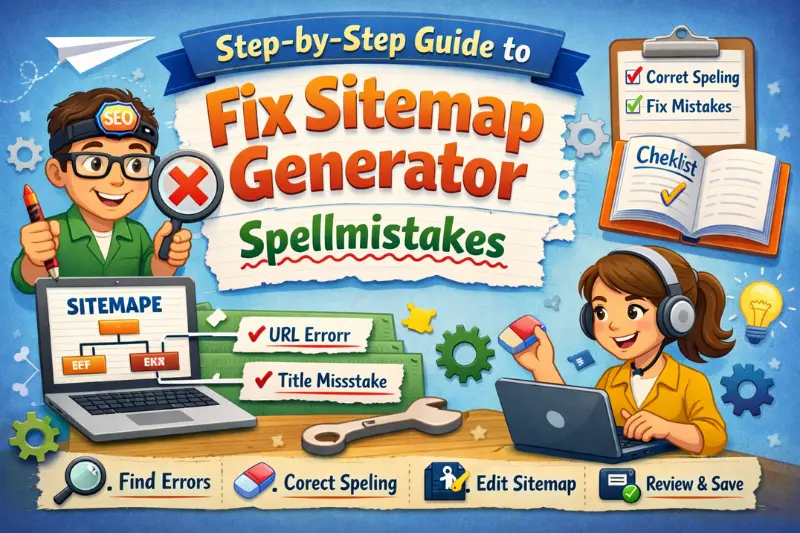
Fixing these issues is easier than it sounds. Just follow these steps:
Step 1: Locate the Problem
Identify where the error exists-URL, tag, or file name.
Step 2: Fix the Source
Correct the mistake at its origin. This could be a page slug or internal link.
Step 3: Update the Sitemap
Regenerate your sitemap using your CMS or SEO tool.
Step 4: Test the File
Validate your sitemap to ensure it’s error-free.
Step 5: Resubmit
Upload the updated sitemap to search engines and request indexing.
Consistency is key. One fix is not enough-regular updates are necessary.
How to Validate Your Sitemap Before Submission
Before submitting your sitemap, always validate it.
Validation ensures:
- Proper XML structure
- Correct URL formatting
- No missing or broken elements
You can use online validators or SEO tools for this step. It only takes a few minutes but can prevent major SEO issues.
Technical Checklist for a Perfect Sitemap
Here’s a simple checklist you can follow:
- All URLs are correct and live
- No spelling mistakes
- Proper XML structure
- No duplicate entries
- File is accessible
- Updated regularly
Following this checklist ensures your sitemap remains clean and effective.
Advanced SEO Tips for Optimizing Sitemaps
Once your sitemap is error-free, you can optimize it further.
Prioritize Important Pages
Include your most valuable pages to ensure they are crawled first.
Use Last Modified Tags
Help search engines understand when content was updated.
Limit Unnecessary Pages
Avoid adding low-value pages like duplicates or archives.
Keep It Organized
Group similar pages together for better structure.
Role of Sitemaps in Modern SEO Strategy
Sitemaps are no longer optional-they are essential.
In modern SEO:
- They speed up indexing
- Help new websites get discovered
- Support large and complex sites
They work alongside internal linking to create a strong foundation for search visibility.
Common Sitemap Errors and How to Fix Them
Broken Links
Fix by updating or removing invalid URLs.
Duplicate URLs
Use canonical tags and remove duplicates.
Incorrect Formatting
Validate and correct XML structure.
Missing Pages
Ensure all important pages are included.
Each of these issues can affect performance if ignored.
Manual vs Automatic Sitemap Generation: Which is Better?
Manual Method
- More control
- Higher risk of human error
Automatic Method
- Faster and scalable
- Depends on tool accuracy
For most websites, automatic generation is the better option, as long as it’s properly configured.
Real-World Impact of Sitemap Errors
Imagine running an online store where your best-selling product page has a typo in the sitemap.
Search engines try to access the wrong URL, fail, and never index the real page. As a result:
- Your product doesn’t rank
- Traffic drops
- Sales decrease
This shows how even a small mistake can have a big impact.
Impact of Incorrect URLs on Search Rankings
Incorrect URLs confuse search engines. When bots repeatedly hit broken pages, they lose trust in your site structure.
Over time:
- Rankings decline
- Important pages lose visibility
- Crawl efficiency decreases
Accuracy builds trust with search engines, and trust leads to better rankings.
Sitemap Generator Spellmistakes vs Other Technical SEO Issues
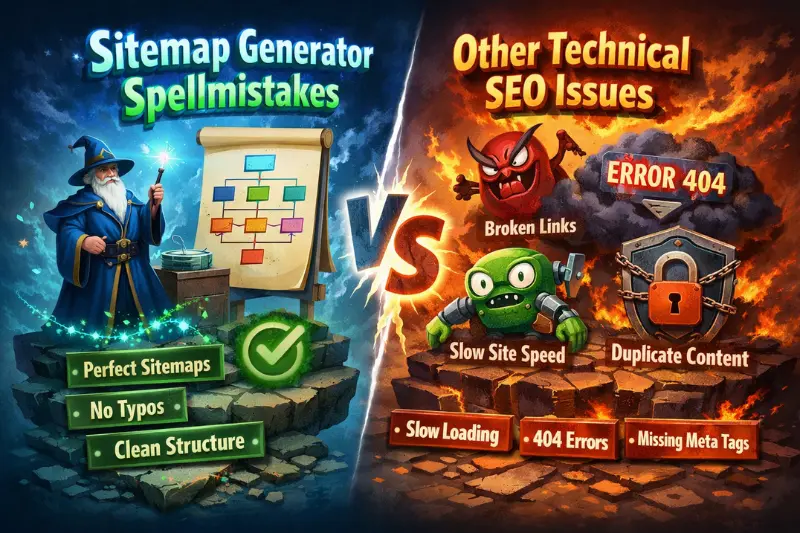
Spelling mistakes are just one type of technical issue, but they are unique.
Unlike broken links, they are harder to notice. Unlike duplicate content, they don’t always trigger obvious warnings.
That’s why they can quietly harm your SEO without immediate detection.
XML Sitemap vs HTML Sitemap: Key Differences
XML Sitemap
- Designed for search engines
- Helps with crawling and indexing
HTML Sitemap
- Designed for users
- Improves navigation
Both are useful, but XML sitemaps are more critical for SEO performance.
Best Practices for Sitemaps in 2026
SEO continues to evolve, and so should your sitemap strategy.
- Use automated tools
- Keep your sitemap updated
- Monitor errors regularly
- Focus on high-quality pages
- Avoid unnecessary complexity
Future SEO will demand even greater accuracy, so staying ahead is important.
How to Prevent Sitemap Errors in Large Websites
Large websites face bigger challenges due to scale.
To manage effectively:
- Use dynamic sitemap generation
- Split sitemaps into smaller files
- Automate error detection
- Perform frequent audits
These steps help maintain control even with thousands of pages.
How Often Should You Audit Your Sitemap?
The frequency depends on your website size:
- Small websites: once a month
- Medium websites: every 2 weeks
- Large websites: weekly
Regular audits ensure errors are caught early before they impact SEO.
May be you like it:
Tips For Writing Lyrics: A Complete Step-by-Step Guide
Tips for Writing Wedding Vows That Feel Real, Personal & Unforgettable
ACT Grammar Rules: The Complete Guide to Master ACT English
FAQs
What is a sitemap generator spellmistake?
A sitemap generator spellmistake is a typo or error in URLs or XML tags that can prevent search engines from properly crawling and indexing your website.
How do sitemap errors affect SEO?
Sitemap errors can cause crawling issues, indexing problems, and lower search rankings by sending incorrect signals to search engines.
Can a spelling mistake in a sitemap hurt rankings?
Yes, even a small spelling mistake can lead to broken links or missed pages, which negatively impacts SEO performance.
How can I check for sitemap errors?
You can check for sitemap errors using SEO tools, search console reports, or by manually reviewing your sitemap file.
What happens if a sitemap URL is wrong?
Search engines will try to crawl a non-existent page, which wastes crawl budget and may prevent the correct page from being indexed.
How often should I update my sitemap?
You should update your sitemap whenever you add, remove, or change important pages on your website.
What is the best tool to find sitemap mistakes?
SEO audit tools and search engine consoles are the best options for detecting sitemap errors quickly.
Are automatic sitemap generators reliable?
Yes, but only if properly configured. They can still create errors if your site structure or URLs are incorrect.
What is the difference between XML and HTML sitemaps?
XML sitemaps help search engines crawl your site, while HTML sitemaps are designed to improve user navigation.
How can I fix sitemap generator spellmistakes?
You can fix them by correcting the source URLs, regenerating the sitemap, validating it, and resubmitting it to search engines.
Conclusion
A sitemap generator spellmistake may seem like a minor technical issue, but its impact on SEO can be significant. Even a small typo in a URL or XML tag can confuse search engines, waste crawl budget, and prevent important pages from being indexed properly.
The key takeaway is simple: accuracy matters. A clean, well-structured sitemap helps search engines understand your website, while errors can quietly hold your site back without obvious warning signs.
By regularly auditing your sitemap, using reliable tools, and fixing issues at the source, you can ensure your website stays fully optimized. Consistency and attention to detail will always give you an edge in SEO.
In the long run, maintaining an error-free sitemap is not just a technical task-it’s a smart strategy for better visibility, stronger rankings, and sustainable growth.
May be you like it:
SEO Agency in Australia UploadArticle: The Complete Guide to Choosing the Right Partner in 2026
The Ultimate Guide to UploadArticle: Boost Your SEO & Reach More Readers