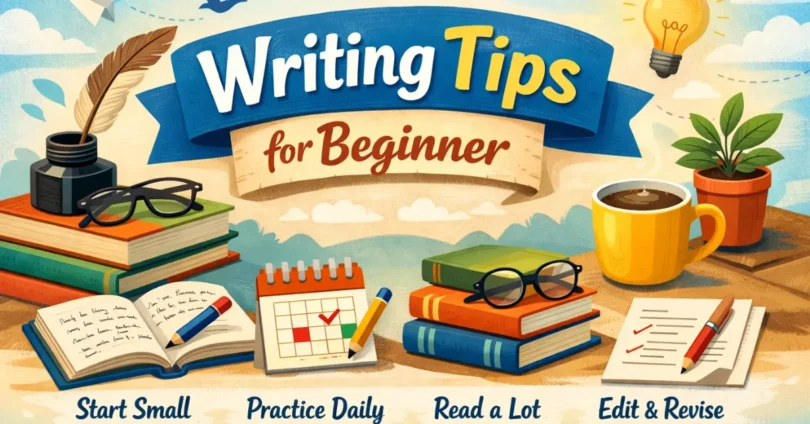

Introduction
Starting your writing journey can feel overwhelming. Whether you want to write a story, a blog post, a script, or content for websites, knowing where to begin is often the hardest part. The good news is that everyone starts as a beginner, and with the right guidance, you can quickly improve your skills.
This guide shares practical writing tips for beginners that are easy to follow, actionable, and designed to help you build confidence in your writing. You’ll learn how to structure your work, write clearly, and make your content engaging-whether it’s for readers, scripts, SEO, or storytelling.
By the end of this guide, you’ll have the tools and knowledge to start writing like a pro, avoid common beginner mistakes, and enjoy the creative process. No matter your goal, these tips will give you a strong foundation for becoming a better writer.
Why Writing Tips Are Important for Beginners
Writing is more than putting words on a page-it’s about communicating ideas clearly, creatively, and effectively. Beginners often struggle with structure, grammar, vocabulary, and consistency. Using these tips helps you:
- Avoid common mistakes
- Build confidence
- Improve your style and clarity
- Write faster and more efficiently
- Stay motivated and disciplined
27 Writing Tips for Beginner Writers
Write Every Day
Consistency builds skill. Even 20–30 minutes daily can make a huge difference.
Read Regularly
Reading improves your vocabulary, style, and understanding of sentence structure.
Start Small
Don’t aim for perfection. Short stories, blog posts, or scenes are great for practice.
Keep a Writing Journal
Track ideas, progress, and lessons learned. It helps you stay organized and inspired.
Outline Before Writing
Plan your structure first-headings, sections, or chapters. Avoids writer’s block.
Focus on One Idea at a Time
Clarity beats complexity. Don’t overwhelm readers with too many ideas in one piece.
Use Simple Language
Avoid complicated words. Make your writing easy to read and understand.
Write First, Edit Later
Separate writing and editing. Get your ideas down first, refine later.
Embrace Mistakes
Mistakes are part of learning. Review and learn from them.
Avoid Copying Others
Draw inspiration, but develop your own voice and style.
Learn Grammar Basics
Good grammar helps your writing look professional and clear.
Use Active Voice
Active voice keeps writing engaging and direct.
Break Up Long Paragraphs
Short paragraphs make content readable, especially on screens.
Use Headings & Subheadings
Organizes content and helps readers skim easily.
Include Bullet Points & Lists
Bullet points improve readability and highlight key ideas.
Practice Storytelling
Even blog posts benefit from storytelling. Engages readers emotionally.
Study Writing Techniques
Learn about pacing, dialogue, character development, and SEO.
Set Writing Goals
Daily or weekly targets keep you motivated and consistent.
Join Writing Communities
Feedback from peers helps you improve faster and stay accountable.
Revise Multiple Times
Editing improves clarity, flow, and impact. Don’t settle for first drafts.
Read Aloud
Hearing your writing exposes awkward sentences and errors.
Experiment with Genres
Try content writing, scripts, stories, or SEO articles to find your strength.
Limit Distractions
Create a quiet workspace to focus fully on your writing.
Use Writing Prompts
Prompts help you practice and generate new ideas regularly.
Study Your Audience
Understand their needs, interests, and reading level to make writing effective.
Track Your Progress
Celebrate improvements to stay motivated and build confidence.
Keep Learning
Attend workshops, read writing guides, and watch tutorials to grow continuously.
Table: Quick Comparison of Writing Types for Beginners
| Writing Type | Key Focus | Beginner Tip |
|---|---|---|
| Content Writing | Inform & engage | Outline & use clear headings |
| Story Writing | Characters & plot | Start with short stories |
| Script Writing | Dialogue & pacing | Master formatting early |
| SEO Writing | Search rankings | Balance keywords & readability |
Understanding Writing as a Beginner
Starting out as a beginner writer can feel confusing and overwhelming. You might have lots of ideas but aren’t sure how to put them on paper, or you might worry about grammar, structure, or whether anyone will enjoy your writing. The truth is, every experienced writer was once a beginner, and understanding the basics is the first step toward improvement.
What Beginners Often Experience
Overthinking: Wanting to write perfectly on the first try.
Writer’s block: Feeling stuck or unsure where to start.
Confusion about structure: Not knowing how to organize ideas or sections.
Self-doubt: Worrying that your writing isn’t good enough.
These challenges are completely normal. The key is to embrace the learning process and focus on consistent improvement rather than perfection.
Core Principles for Beginner Writers
- Writing is a Process: Writing isn’t just about the finished piece; it’s about drafting, revising, and refining your ideas.
- Practice Builds Confidence: The more you write, the easier it becomes to express your thoughts clearly.
- Reading Inspires Writing: Reading widely helps you learn sentence structures, styles, and vocabulary.
- Mistakes Are Part of Growth: Every error is an opportunity to improve. Don’t let fear of mistakes stop you.
Quick Tip: Start Small
Begin with short paragraphs, mini-stories, or daily journaling. Small, consistent writing exercises help build skills without feeling overwhelming.
By understanding these basics, beginner writers can develop confidence, clarity, and a sense of direction-all essential for growing into a strong, effective writer.
Essential Writing Tips for Beginners
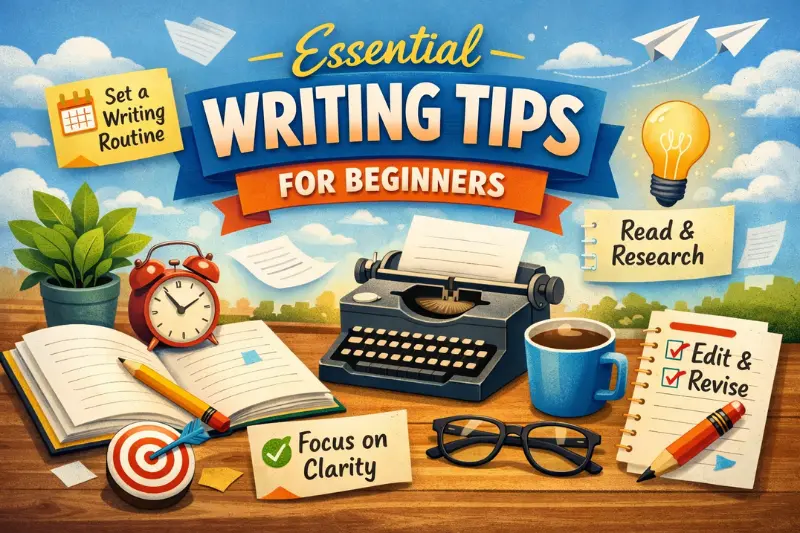
Whether you’re writing a story, blog, script, or SEO content, certain core habits and strategies can make your journey as a beginner much smoother. These tips focus on building strong foundations so you can improve quickly and write with confidence.
May be you like it:
Words That Rhyme With Confusing: Complete Guide
Words Often Confused Worksheet: Learn, Practice, and Master English
Writing Tips First Person POV Using “I” a Lot – Complete Guide
Write Regularly
Consistency is key. Writing even 20–30 minutes every day helps develop your skills and makes writing feel natural over time.
Read Often
Reading expands your vocabulary, exposes you to different writing styles, and inspires new ideas. Read books, blogs, articles, and stories regularly.
Plan Your Work
Before you start, outline your ideas. A simple structure of headings, bullet points, or story scenes can prevent writer’s block and keep your content organized.
Focus on Clarity
Always aim for clear and simple language. Avoid overcomplicating sentences or using unnecessary words. Your goal is to communicate, not impress.
Don’t Fear Mistakes
Mistakes are part of learning. Write first, edit later, and treat errors as opportunities to improve.
Use Active Voice
Active voice makes your writing more engaging and direct, while passive voice can make it feel dull and wordy.
Short Paragraphs Are Better
Break up long blocks of text. Short paragraphs improve readability, especially for online content where readers skim.
Headings & Subheadings Help
Using headings and subheadings organizes your content and makes it easy for readers to find what they need.
Incorporate Bullet Points & Lists
Lists highlight important ideas, improve skimmability, and make your writing look cleaner.
Seek Feedback
Share your work with friends, mentors, or writing communities. Constructive feedback helps you identify strengths and areas for improvement.
Table: Quick Overview of Essential Writing Tips
| Tip | Purpose | Quick Action |
|---|---|---|
| Write Regularly | Build habit & confidence | Schedule daily writing sessions |
| Read Often | Learn style & vocabulary | Read diverse materials |
| Plan Work | Avoid writer’s block | Outline ideas before writing |
| Focus on Clarity | Communicate effectively | Use simple, concise language |
| Don’t Fear Mistakes | Encourage improvement | Separate writing and editing |
| Use Active Voice | Engage readers | Rewrite passive sentences |
| Short Paragraphs | Improve readability | Limit paragraphs to 3–5 lines |
| Headings & Subheadings | Organize content | Break sections with clear headers |
| Bullet Points & Lists | Highlight key ideas | Convert long text into lists |
| Seek Feedback | Learn & improve | Join writing groups or workshops |
Content Writing Tips for Beginners
Content writing is all about creating informative, engaging, and easy-to-read material for your audience. Beginners often feel unsure about how to structure their posts, make them engaging, or even write content that ranks online. These tips will help you write content that readers enjoy and find valuable.
Know Your Audience
Before you start writing, ask yourself: Who will read this? What do they want to learn? Understanding your audience helps you tailor your content to their needs, making it more engaging and useful.
Create an Outline
Plan your content with headings, subheadings, and key points. This keeps your writing organized and ensures you cover all important ideas.
Write Clear Introductions
Start with an interesting hook, question, or statistic to grab attention. A strong introduction encourages readers to continue.
Use Short Paragraphs
Break your content into 3–5 line paragraphs. Short paragraphs are easier to read, especially on screens, and keep readers engaged.
Use Headings & Subheadings
Headings make your content skimmable, help organize your ideas, and improve SEO.
Incorporate Bullet Points & Lists
Lists highlight important points, making them easy to digest and more visually appealing.
Focus on Value
Always aim to inform, educate, or entertain. Don’t just fill space-make your content meaningful to the reader.
Include a Call-to-Action (CTA)
Encourage readers to take action, whether it’s subscribing to your newsletter, commenting, or sharing your post.
Revise and Edit
Editing improves clarity, flow, and grammar. Don’t rely on your first draft-review and refine your work.
Keep Learning
Read other content writers’ work, follow trends in your niche, and experiment with different styles to keep improving.
Table: Beginner Content Writing Checklist
| Step | Purpose | Actionable Tip |
|---|---|---|
| Know Your Audience | Write for the right readers | Research target demographics & interests |
| Create an Outline | Stay organized | Draft headings & key points first |
| Strong Introduction | Capture attention | Use questions, stats, or stories |
| Short Paragraphs | Improve readability | Limit 3–5 lines per paragraph |
| Headings & Subheadings | Skimmable content | Break sections with clear titles |
| Bullet Points & Lists | Highlight key info | Use lists to summarize points |
| Focus on Value | Keep readers engaged | Solve problems or answer questions |
| Include CTA | Encourage interaction | Add prompts like “Subscribe” or “Comment” |
| Revise & Edit | Improve quality | Check flow, grammar, and clarity |
| Keep Learning | Enhance skills | Read blogs, guides, and experiment |
Script Writing Tips for Beginners
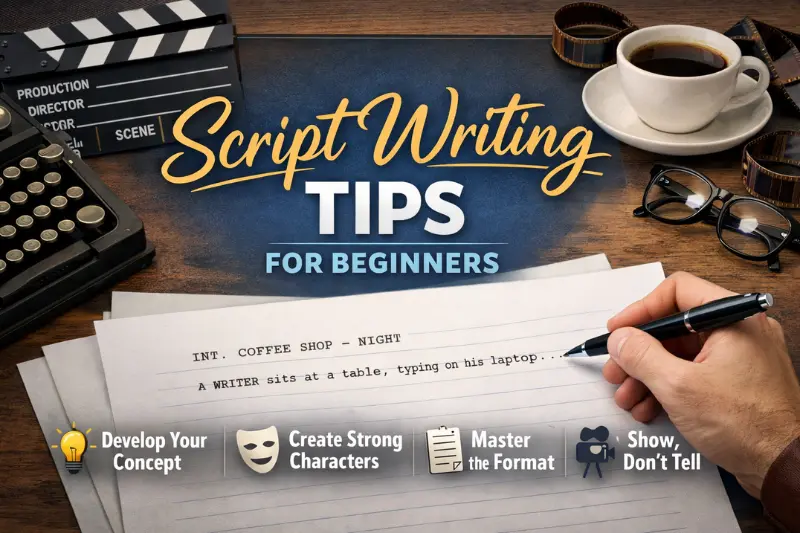
Script writing is a unique form of writing that focuses on dialogue, characters, pacing, and visuals. Whether you’re writing for films, TV, YouTube videos, or plays, script writing requires a different approach than content or story writing. For beginners, the key is to understand the basics and practice consistently.
Understand Script Formatting
Scripts have a specific structure, including scene headings, action lines, and dialogue. Learning the correct format early helps your work look professional and makes it easier for others to read. Tools like Final Draft or Celtx can help beginners format scripts correctly.
Focus on Characters
Strong characters drive your story. Develop each character’s personality, motivations, and voice. Even simple characters become memorable when they feel real.
Keep Dialogue Natural
Dialogue should sound like real people talking. Avoid overly formal or unnatural speech. Read your dialogue aloud to see if it flows naturally.
Show, Don’t Tell
Scripts are meant to be visual. Use action lines to show what characters do, rather than explaining feelings or thoughts. For example:
- Instead of: “John is sad”,
- Write: “John slumps into the chair, staring at the floor.”
Plan Your Scenes
Outline your script before writing. Decide on the beginning, middle, and end, and break your story into clear scenes. This keeps the pacing smooth and ensures nothing important is left out.
Keep Action Lines Concise
Action lines should be short and to the point, describing only what the audience can see or hear. Avoid long paragraphs of description.
Practice Rewriting
First drafts are rarely perfect. Rewriting helps improve dialogue, pacing, and clarity. Don’t be afraid to revise multiple times.
Study Existing Scripts
Read professional scripts to see how experienced writers handle dialogue, pacing, and formatting. This gives you a sense of rhythm and style.
Focus on Conflict & Tension
Every script needs tension to keep the audience engaged. Introduce conflicts or challenges for your characters to overcome.
Start Small
Begin with short scripts or scenes before attempting full-length scripts. Short projects allow you to practice skills without feeling overwhelmed.
SEO Content Writing Tips for Beginners
SEO content writing is about creating high-quality content that ranks on search engines while remaining valuable and readable for humans. Beginners often find it tricky to balance SEO with engaging writing, but with the right strategies, you can write content that attracts readers and performs well online.
Understand Your Target Audience
Before writing, research what your audience is searching for. Tools like Google Keyword Planner or Ubersuggest can help you find the right topics and keywords. Write content that answers their questions or solves their problems.
Use Keywords Strategically
Incorporate your main keyword and related keywords naturally. Include them in:
- Title
- Headings and subheadings
- First 100 words of your content
- Meta title and description
- Avoid keyword stuffing-it can hurt readability and SEO.
Optimize Meta Tags
- Meta Title: Up to 60 characters, includes main keyword
- Meta Description: Up to 155 characters, clear and compelling
Meta tags improve click-through rates from search results and help search engines understand your content.
Write Engaging Introductions
The first few sentences matter. Hook readers with a question, statistic, or story, and include your main keyword naturally.
Use Headings and Subheadings
Headings (H2, H3) organize content, make it skimmable, and improve SEO by signaling key topics to search engines.
Optimize Images
Use alt text for all images, describing them clearly and naturally with relevant keywords. This improves accessibility and SEO.
Include Internal and External Links
Internal links: Guide readers to other pages on your site
External links: Reference authoritative sources to improve credibility
Focus on Readability
Use short paragraphs, simple language, and bullet points to make content easy to read. Google favors content that keeps readers engaged.
Encourage User Engagement
Add CTAs like “Leave a comment,” “Share this post,” or “Subscribe to our newsletter” to increase interaction and boost SEO signals.
Monitor and Improve
After publishing, track performance using tools like Google Analytics or Search Console. Adjust your content based on traffic, bounce rate, and engagement.
Table: SEO Content Writing Tips Summary
| Tip | Purpose | Quick Action |
|---|---|---|
| Understand Audience | Target right readers | Use keyword research tools |
| Use Keywords Strategically | Rank on search engines | Include main + related keywords naturally |
| Optimize Meta Tags | Improve CTR | Write meta title ≤60 chars, description ≤155 chars |
| Engaging Introduction | Reduce bounce rate | Include hook + main keyword |
| Headings & Subheadings | Organize content | Use H2/H3 for sections |
| Optimize Images | Accessibility & SEO | Add descriptive alt text |
| Internal & External Links | Enhance navigation & authority | Link to related pages and sources |
| Focus on Readability | Keep readers engaged | Short paragraphs & bullet points |
| Encourage Engagement | Boost SEO signals | Add comments, shares, or newsletter CTAs |
| Monitor & Improve | Refine performance | Use Analytics & Search Console |
Story Writing Tips for Beginners
Story writing is all about creativity, imagination, and connecting with your readers emotionally. Whether you want to write short stories, novels, or children’s books, understanding the basics will make the process easier and more enjoyable. These tips are designed specifically for beginners to start confidently.
Start Small
Begin with short stories before attempting long novels. Short stories let you practice plot, characters, and pacing without feeling overwhelmed.
Develop Strong Characters
Characters are the heart of any story. Give them:
- Distinct personalities
- Motivations and goals
- Strengths and weaknesses
- Well-developed characters make your story more relatable and engaging.
Create a Clear Plot
A simple story structure helps beginners:
- Beginning: Introduce characters and setting
- Middle: Present conflict or challenge
- End: Resolve the conflict and provide closure
Show, Don’t Tell
Instead of telling readers what happens or how a character feels, show it through actions and dialogue. For example:
- Instead of: “Anna was nervous”
- Write: “Anna’s hands trembled as she held the letter.”
Use Conflict and Tension
Conflict keeps readers interested. Introduce challenges or obstacles your characters must overcome. Tension drives the story forward.
Write Natural Dialogue
Dialogue should sound realistic and appropriate for each character. Avoid overly formal or stiff speech.
Focus on Pacing
Balance fast-paced action scenes with slower, emotional moments. This keeps readers engaged and prevents your story from feeling rushed or dull.
Revise and Edit
First drafts are rarely perfect. Rewriting improves clarity, flow, and character development. Don’t be afraid to cut unnecessary scenes or refine dialogue.
Read Stories Regularly
Reading stories in your genre helps you understand structure, style, and pacing, and inspires new ideas.
Keep Writing
The more you write, the better you’ll get. Practice regularly, experiment with different ideas, and don’t worry about perfection.
Common Mistakes Beginners Make
Even motivated beginners often stumble on the same challenges. Knowing these common mistakes helps you avoid frustration and improve faster:
Writing Without a Plan
Starting without an outline often leads to scattered ideas and confusion. Solution: Create a simple plan or structure before writing.
Overcomplicating Sentences
Long, complex sentences can confuse readers. Solution: Use short, clear sentences to communicate ideas effectively.
Ignoring Grammar and Punctuation
Mistakes reduce credibility and readability. Solution: Use grammar tools and proofread your work.
Not Editing or Revising
Beginners often stop at the first draft. Solution: Revise multiple times to improve flow, clarity, and style.
Copying Others’ Styles Too Closely
While inspiration is good, imitation can limit originality. Solution: Develop your own voice and style.
Neglecting the Audience
Writing without considering the reader leads to disengagement. Solution: Always think about your audience’s needs and interests.
Tools & Resources for Beginner Writers
Using the right tools can simplify your writing process, improve quality, and boost productivity. Here are some beginner-friendly options:
Writing & Editing Tools
- Grammarly: Checks grammar, punctuation, and style
- Hemingway App: Highlights complex sentences and readability issues
- Google Docs: Cloud-based writing with collaboration features
- Scrivener: Great for story and script organization
SEO & Content Tools
- Yoast SEO: Helps optimize content for search engines
- Ubersuggest / Google Keyword Planner: Find relevant keywords
Inspiration & Community
- Writing Communities: Join groups on Reddit, Discord, or Facebook
- Books & Blogs: Read guides on writing, storytelling, and content creation
- Writing Prompts: Websites like Reedsy or Prompt Generator to practice creativity
May be you like it:
Tips For Writing Lyrics: A Complete Step-by-Step Guide
Tips for Writing Wedding Vows That Feel Real, Personal & Unforgettable
ACT Grammar Rules: The Complete Guide to Master ACT English
FAQs
What are the best writing tips for beginners?
Start writing daily, keep your sentences simple, and focus on clarity. Practice and consistency are the keys to improvement.
How can beginners improve their writing skills quickly?
Read regularly, write every day, and always revise your work. Feedback from others can also help you improve faster.
What is the easiest way to start writing?
Begin with small pieces like short paragraphs or journal entries. Don’t aim for perfection—just start writing.
How important is grammar for beginner writers?
Grammar is very important because it makes your writing clear and professional. Use tools to check and improve it.
What are common mistakes beginners should avoid?
Avoid writing without a plan, using complex sentences, skipping editing, and ignoring your audience.
How do I write better content as a beginner?
Focus on your audience, use simple language, organize your ideas, and make your content easy to read.
What are SEO content writing tips for beginners?
Use keywords naturally, write clear headings, and focus on helpful content that answers readers’ questions.
How can I improve my storytelling skills?
Create strong characters, build a clear plot, and practice writing short stories regularly.
How long should beginners practice writing daily?
Even 20–30 minutes a day is enough to build a strong writing habit and improve over time.
Can anyone become a good writer?
Yes, anyone can become a good writer with practice, patience, and a willingness to learn.
Conclusion
Writing as a beginner can feel challenging, but with the right tips and practice, anyone can improve. By following these essential writing tips, focusing on clarity, planning your work, and practicing regularly, you’ll gain confidence and create content, stories, or scripts that truly engage readers.
Remember, mistakes are part of learning, and every word you write helps you grow. Start small, keep writing, and enjoy the process-your skills will improve faster than you think!
Take Action: Pick one tip today, try it out, and keep building your writing habit. Every step counts toward becoming a better writer!
May be you like it:
SEO Agency in Australia UploadArticle: The Complete Guide to Choosing the Right Partner in 2026
The Ultimate Guide to UploadArticle: Boost Your SEO & Reach More Readers
UploadArticle Relationship: The Complete Strategy to Get Published, Approved & Ranked